Where Environmental Protection Meets Automation: The Evolution of Integrated Control Systems in Wuhan's Industrial Landscape
Author: 来自于网络•
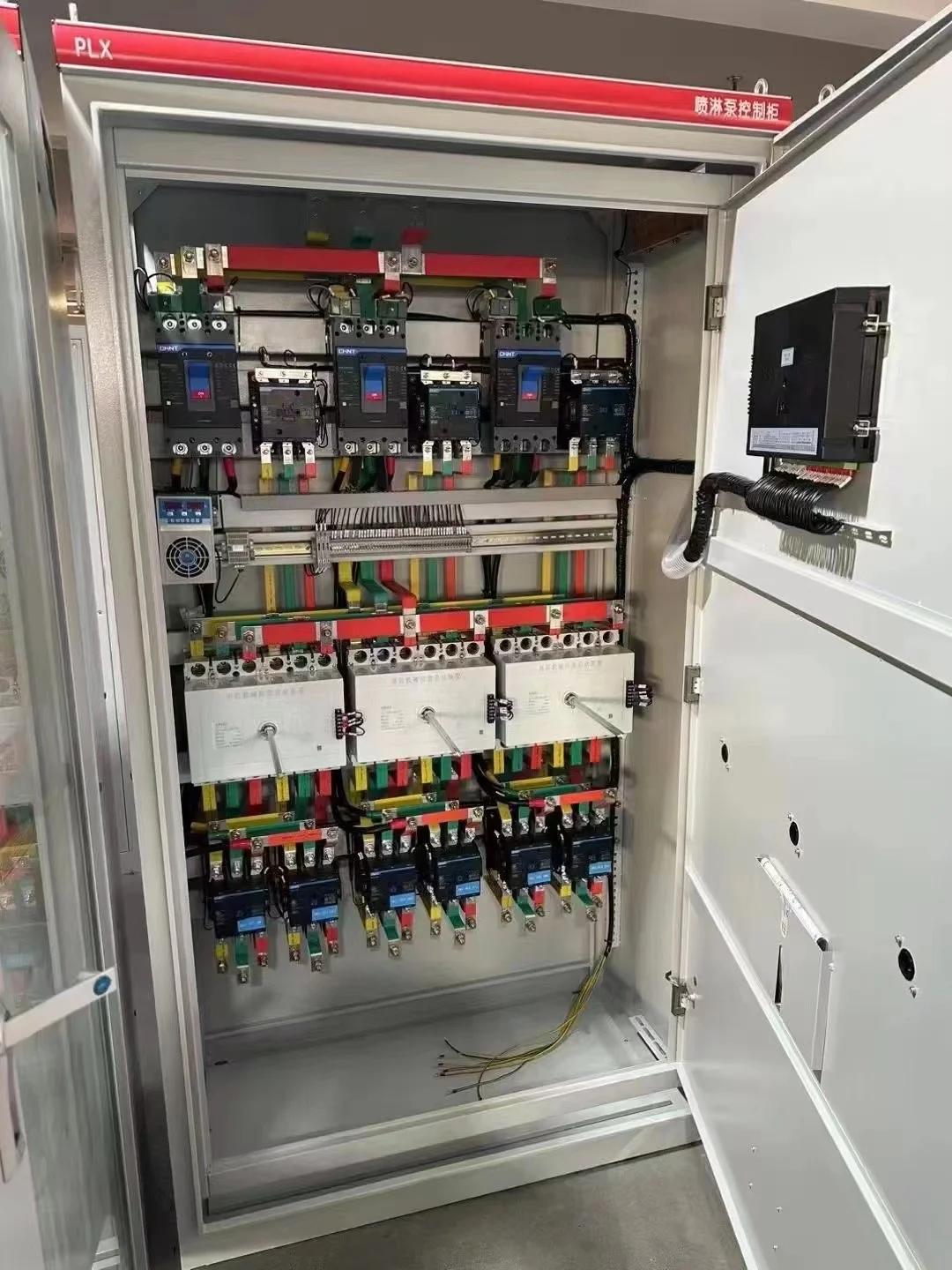
From my vantage point as an electrical automation engineer working on major projects around Wuhan, I've witnessed a fundamental shift in how we approach environmental control. It's no longer about bolting on scrubbers or filters as an afterthought. The trend is toward deeply integrated solutions where environmental protection is the core logic of the automation system itself. This article explores the technical drivers behind this integration, from the rise of unified control platforms and advanced sensor networks to the practical application of data analytics for predictive compliance. I'll share insights from real-world implementations in the region, detailing how this holistic approach is not just meeting stricter regulations but creating more efficient and resilient industrial operations.
For over fifteen years, I've been knee-deep in control panels and PLC code across the industrial heartland surrounding Wuhan. If there's one transformation that defines the current era, it's the seamless merger of production automation with environmental stewardship. We've moved far beyond the days when a flue gas desulfurization system was a standalone island with its own lonely HMI. Today, the most forward-thinking projects treat environmental parameters with the same priority as temperature, pressure, and flow rate. The control system is conceived from the ground up as an integrated entity, where optimizing for yield and minimizing environmental impact are two sides of the same coin.
The technical foundation for this shift is the consolidation onto unified control platforms. We're specifying systems, often from vendors like Siemens or Rockwell, where a single controller and a unified software environment can manage everything from the raw material feed conveyor to the electrostatic precipitator and the wastewater treatment pH loops. This architectural change is profound. Instead of wrestling with multiple proprietary protocols and trying to synchronize data between separate systems, we now have a single source of truth. The boiler control logic can directly access the real-time emissions analyzer data and modulate combustion air without cumbersome and lag-prone external communications. This native integration reduces points of failure and, crucially, allows for more sophisticated control strategies.
Sensor technology is another critical enabler. The old paradigm relied on periodic manual sampling or basic analog sensors with limited accuracy. Now, we're deploying smart, digital sensors for parameters like particulate matter, NOx, SO2, and volatile organic compounds. These devices often come with built-in diagnostics and communicate via IO-Link or directly onto the fieldbus. On a recent wastewater treatment project for a chemical plant in Hubei, we used networked optical phosphate and ammonia sensors. Their data feeds directly into the PLC, which then dynamically adjusts chemical dosing pump speeds and aeration rates in the biological treatment stage. The system doesn't just react; it anticipates based on load patterns, leading to significant chemical savings and consistently meeting discharge standards.
Data is the lifeblood of modern integrated systems. We're not just collecting data for compliance reports anymore. Historians and SCADA systems are being tasked with real-time analytics. Using tools integrated with the control platform, we can build soft sensors and models. For instance, by correlating combustion temperature, fuel quality data, and historical emissions trends, we can predict when a baghouse filter might be approaching its cleaning cycle or when an SCR catalyst efficiency might dip. This moves us from preventative maintenance to predictive maintenance, avoiding unexpected shutdowns or compliance excursions. I worked on a power generation retrofit where this predictive approach, based on integrated data analysis, reduced unplanned downtime related to environmental systems by an estimated 30%.
The human-machine interface has evolved in tandem. The integrated control room display no longer has a separate "environmental page" tucked away in a sub-folder. Key environmental performance indicators—total carbon output, water recycling rate, real-time emission concentrations—are displayed alongside production KPIs on the main operator screens. This visual integration reinforces the operational philosophy that these metrics are intrinsically linked. Alarms are prioritized in a unified hierarchy; a spike in particulate emissions might trigger a higher-level alarm than a minor fluctuation in a non-critical production parameter.
Implementing these systems presents familiar yet amplified challenges. The initial engineering effort is greater, requiring automation engineers to develop genuine expertise in environmental processes. Cybersecurity becomes paramount, as a breach in a fully integrated network could have both production and environmental consequences. The skill set for maintenance technicians also expands, needing familiarity with both traditional automation components and specialized environmental monitoring equipment.
Looking at projects here in the Wuhan region, from advanced semiconductor fabrication facilities to modernized steel mills, the pattern is clear. The regulatory environment is a driver, but the business case is solidified by the operational efficiencies gained. An integrated system that minimizes waste is also minimizing cost. It optimizes energy usage in air handling units and reduces raw material consumption through precise control. The future I see is one of even tighter integration, with artificial intelligence modules beginning to suggest optimizations across the entire production-environment nexus, and a greater emphasis on circular economy principles being baked directly into the control algorithms. The role of the automation engineer is expanding, and for those of us in the field, it's a challenging and absolutely necessary evolution.
Keywords
Environmental Industrial AutomationAutomation System IntegrationEnvironmental Control SolutionsIndustrial Automation Integration