Wastewater Treatment Plant PLC Control System Optimization Practice in Wuhan
Author: 来自于网络•
{ "title": "Optimizing PLC Control Systems in Wuhan's Wastewater Treatment Plants: A Practical Engineer's Perspective", "excerpt": "Based on my 15 years of experience in Hubei'
{
"title": "Optimizing PLC Control Systems in Wuhan's Wastewater Treatment Plants: A Practical Engineer's Perspective",
"excerpt": "Based on my 15 years of experience in Hubei's automation sector, this article details practical optimization strategies for PLC control systems in Wuhan's wastewater treatment facilities. I discuss common challenges like sensor reliability, control logic inefficiencies, and maintenance hurdles, sharing real-world solutions implemented for local plants. The focus is on improving process stability, energy efficiency, and system longevity through hardware upgrades, software tuning, and better integration practices. These insights come from hands-on projects with Wuhan Yongrui Electrical Technology, where we design and build specialized control panels for municipal and industrial treatment applications.",
"content": "For over fifteen years, I've been working in the electrical automation field right here in Hubei, with a significant portion of that time dedicated to water and wastewater projects. The challenges and solutions in this sector are particularly close to my experience. Today, I want to share some practical insights from optimizing Programmable Logic Controller (PLC) systems in wastewater treatment plants across the Wuhan region. This isn't theoretical; it's the accumulated knowledge from countless site visits, troubleshooting sessions, and system upgrades.
The core challenge in any wastewater treatment plant is consistency. Biological processes, influent quality, and mechanical equipment are all variable. A robust PLC control system is the central nervous system that manages this chaos. However, many plants I encounter, especially older facilities or those built with a lowest-bidder mentality, suffer from similar issues: unreliable sensor feedback, overly simplistic or rigid control logic, poor alarm management, and maintenance nightmares due to undocumented code or proprietary hardware.
One of the most common starting points for optimization is sensor validation and network integrity. In a typical plant, DO (Dissolved Oxygen) probes, MLSS (Mixed Liquor Suspended Solids) meters, and flow meters feed critical data to the PLC. When these fail or drift, the entire control strategy collapses. We've implemented software routines in the PLC logic—what we call 'plausibility checks'—to cross-reference sensor data. For instance, if an airflow meter reading and the associated blower VFD speed don't correlate within a expected range, the system flags a potential sensor fault and can switch to a backup control mode, like maintaining a fixed VFD speed, until maintenance is performed. This simple addition dramatically improves process stability.
Next is refining the control logic itself. Many older systems use simple ON/OFF or basic PID loops for aeration control. This is incredibly energy-inefficient. Our optimization work often involves implementing more advanced strategies. For example, we've successfully deployed cascade control loops where the master loop controls the DO setpoint in an aeration tank based on ammonia loading (if an analyzer is present), and the slave loop adjusts the blower VFD speed or valve positions to meet that DO setpoint. This requires careful tuning of the PID parameters, which we do on-site over several days to account for the plant's specific dynamics. The energy savings from moving away from crude control methods can be substantial, often paying for the upgrade within a couple of years.
Another critical area is the human-machine interface (HMI). A cluttered, confusing HMI is a operational hazard. We redesign screens to be process-focused. Instead of a screen full of individual pump symbols, we create a schematic overview of the entire primary treatment process, showing flow directions, tank levels, and equipment status at a glance. Alarm management is also overhauled. We categorize alarms by priority (Critical, Major, Minor) and ensure each alarm has a clear, actionable message, not just 'Pump 1 Fault'. We implement alarm shelving for non-critical issues during maintenance and ensure historical alarm logs are easily accessible for root cause analysis. This work, done in collaboration with the plant operators, greatly enhances situational awareness.
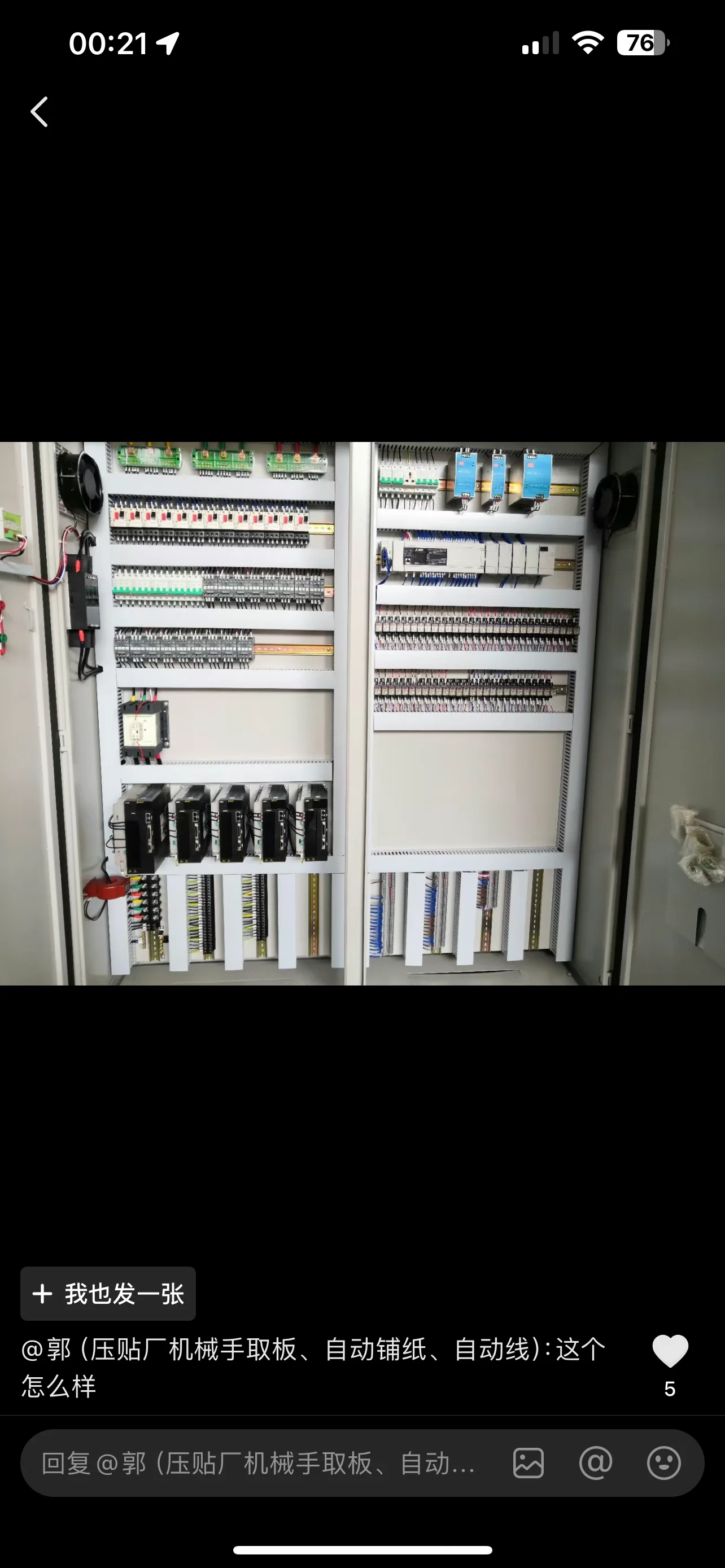
From a hardware perspective, working with a local Wuhan electrical equipment manufacturer like our company, Wuhan Yongrui Electrical Technology, offers distinct advantages. When we build or retrofit a Wastewater Treatment PLC Panel in Wuhan, we have direct control over the components. We specify higher-grade, water-resistant terminals, use clearly labeled and segregated wiring, and ensure adequate spacing for heat dissipation and future additions. We standardize on PLC platforms that are widely supported in the region, making it easier for plant staff to find training and spare parts. This local manufacturing and integration capability allows for rapid response when a panel needs modification or expansion, something that's crucial for minimizing plant downtime.
System integration is another key piece. A modern plant doesn't just have a PLC; it might have standalone packages for sludge dewatering, chemical dosing, or odor control. A common optimization task is to bring these islands of automation under the umbrella of the main plant PLC or a supervisory SCADA system. We use industrial Ethernet protocols like Profinet or EtherNet/IP to create a unified network. This allows for global interlocks and data sharing. For instance, the sludge dewatering unit can now receive a signal from the main PLC to start only when the sludge holding tank reaches a certain level, optimizing its run time and wear.
Finally, no optimization is complete without addressing documentation and training. We deliver detailed electrical drawings, network diagrams, a structured PLC program with comprehensive comments, and a full list of I/O and device tags. We conduct hands-on training sessions for both the maintenance electricians and the operations staff, explaining not just how to use the system, but the why behind the control strategies. This empowers the plant's own team to perform minor tweaks and understand fault diagnostics.
In conclusion, optimizing a wastewater treatment PLC system in Hubei is a holistic exercise. It's not just about writing better code or installing a faster processor. It's about creating a resilient, efficient, and understandable control environment that accounts for the harsh realities of a wastewater plant. It requires a deep understanding of both the process and the available automation technology. The goal is always the same: to ensure treated water meets discharge standards reliably, while minimizing energy consumption, chemical usage, and operational stress. The projects we've completed across Wuhan stand as testament to the tangible benefits of this approach—more stable processes, lower operating costs, and systems that the local teams can confidently manage and maintain for years to come.",
"seoTitle": "Wastewater Treatment PLC System Optimization | Hubei Automation Engineer | Wuhan",
"seoDescription": "A practical guide to optimizing PLC control systems in wastewater treatment plants, written by an experienced electrical automation engineer in Hubei, China. Learn real-world strategies for improving sensor reliability, control logic, HMI design, and energy efficiency in municipal and industrial treatment facilities. This article draws from hands-on experience with projects across the Wuhan region, including collaboration with local electrical equipment manufacturers for control panel design and system integration. Discover how targeted upgrades to your Wastewater Treatment Automation platform can enhance process stability, reduce operational costs, and extend equipment life. Ideal for plant managers, automation engineers, and technical directors seeking actionable insights for their Hubei PLC Control System projects."
}
Keywords
Wastewater Treatment PLC Panel WuhanHubei PLC Control SystemWastewater Treatment AutomationWuhan Electrical Equipment Manufacturer