Navigating Hubei's Environmental Protection Automation Landscape: A Practical Guide for Engineering Teams
Author: 来自于网络•
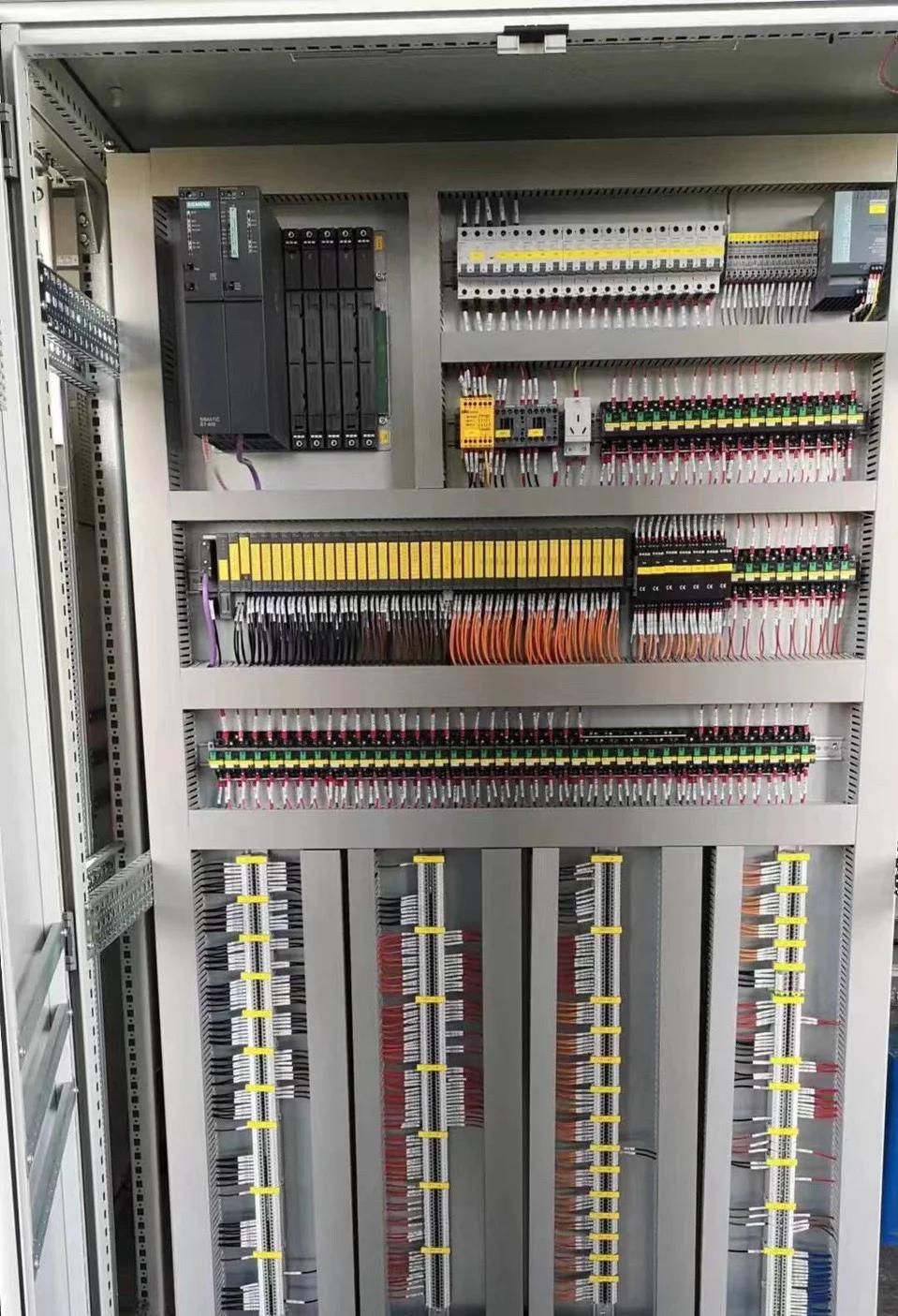
After fifteen years working on electrical automation projects across Hubei, I've seen the environmental protection sector transform. Choosing the right automation solution provider here isn't just about comparing specs—it's about finding partners who understand local regulations, industrial processes, and the unique challenges of projects from Wuhan's wastewater plants to Xiangyang's emission monitoring systems. This guide shares practical insights on evaluating technical capabilities, local support networks, and project execution approaches specific to our region's environmental engineering needs.
When I first started working on automation systems for Hubei's environmental protection projects back in 2009, the landscape was fragmented. We had wastewater treatment plants in Wuhan running on legacy PLC systems that barely communicated with each other, and air quality monitoring stations in industrial zones collecting data that nobody knew how to analyze effectively. Today, the requirements have evolved dramatically. Provincial environmental standards have tightened, real-time monitoring has become mandatory, and the integration between mechanical processes, electrical systems, and data platforms defines project success or failure.
What makes selecting an automation partner in Hubei particularly interesting is the region's industrial diversity. You're not dealing with a single industry profile. The automation needs of a chemical plant's effluent treatment system in Jingzhou differ substantially from a municipal solid waste facility in Yichang or a flue gas desulfurization system at a power plant in Huangshi. A provider who only understands standard water treatment protocols will struggle when faced with the specific corrosion resistance requirements for automation equipment in certain chemical environments, or the explosion-proof certifications needed for biogas handling systems.
From a technical perspective, I always start with control system architecture. Many environmental protection processes in Hubei operate 24/7 with minimal tolerance for downtime. I've seen projects where well-meaning providers proposed cutting-edge distributed control systems (DCS) for relatively simple sludge dewatering operations, creating unnecessary complexity and maintenance headaches. Conversely, trying to manage an entire advanced wastewater treatment plant with standalone PLCs leads to integration nightmares. The right provider should propose architecture based on process criticality, scalability needs, and existing infrastructure. For instance, in a recent upgrade of the Tangxun Lake wastewater treatment plant in Wuhan, we implemented a hybrid approach using redundant PLCs for critical biological processes while employing remote I/O and industrial Ethernet for less critical tertiary filtration systems, achieving both reliability and cost efficiency.
Network and communication protocols represent another crucial filter. The days of proprietary buses are fading. Modern environmental protection facilities need open standards—OPC UA, Modbus TCP/IP, PROFINET—that allow different subsystems to communicate. More importantly, providers must understand China's MIIT standards and the specific data reporting formats required by Hubei's Department of Ecology and Environment. I recall a project in Xiangyang where a provider installed a perfectly functional SCADA system but used a non-standard protocol for connecting to the provincial environmental monitoring platform. The result was months of delay and costly middleware development. A competent local provider knows these requirements upfront and designs the communication layer accordingly.
Hardware selection goes beyond brand names. Environmental protection sites are harsh. Control panels installed near aeration tanks face constant humidity. Outdoor instrumentation deals with temperature extremes from Wuhan's humid summers to the colder winters in the northwestern parts of the province. I evaluate providers by their material specifications: Do they use IP66 enclosures as standard for outdoor installations? Do their proposed sensors have the appropriate ingress protection ratings? Do they source motors and drives with insulation classes suitable for damp environments? A provider's bill of materials often reveals their practical experience.
Software and data integration capabilities now sit at the core of environmental automation. It's not enough to control pumps and valves. Systems must collect, validate, and report emissions data, energy consumption, chemical dosing rates, and process efficiency metrics. The best providers in Hubei offer robust SCADA/HMI platforms with built-in data historization, alarm management, and reporting templates aligned with local regulatory formats. They understand the need for secure, yet accessible, data pathways—allowing plant engineers to view trends on local HMIs while enabling environmental managers at the municipal level to access aggregated compliance data.
Perhaps the most critical factor, often overlooked in technical evaluations, is local support and project execution. A brilliant solution from a provider based in Shanghai means little when a critical processor fails on a Friday night in Shiyan. Response time matters. I prioritize providers with established service centers in major hubs like Wuhan, Xiangyang, and Yichang, and technicians who speak the local technical vernacular. During the commissioning of a denitrification system in Ezhou, having a provider whose engineers could work directly with the mechanical contractors and understand their Wuhan-accented instructions prevented countless misunderstandings.
Financial stability and project references complete the evaluation. The environmental protection sector involves long-term relationships. You need a partner who will be around to support the system over its 10-15 year lifecycle. I always ask for references from projects of similar scale and complexity within Hubei, and I make site visits when possible. Seeing a system they installed three years ago at a paper mill in Jingmen tells you more about their workmanship than any sales presentation.
Ultimately, choosing an automation provider for environmental projects in Hubei is about balancing technical sophistication with practical reliability. The ideal partner brings proven technology, deep understanding of local environmental processes and regulations, and a commitment to being there when things need fixing. They don't just sell hardware and software; they deliver a system that helps plant operators meet their environmental responsibilities efficiently, day after day, in the specific conditions found across our diverse province. The right choice makes your project run smoother. The wrong one turns simple operational issues into prolonged regulatory complications.
Keywords
Hubei Environmental Protection AutomationWuhan Environmental EngineeringAutomation SolutionsHubei Electrical Equipment